
Serums and moisturizers often sit side by side on the shelf, which makes them easy to confuse. They have different jobs, and knowing the difference helps you decide what your routine really needs.
What a serum does
A serum is usually a lightweight, fast-absorbing product with a concentrated formula. People use serums to target a particular concern, such as dullness or dryness. Because the texture is thin, a serum is applied first, on clean skin.
What a moisturizer does
A moisturizer is richer and helps seal in hydration and soften the skin. It forms a comfortable layer over the skin and usually comes after any serum.
Key differences at a glance
- Texture: serums are lighter, moisturizers are creamier.
- Purpose: serums target a concern, moisturizers support the skin overall.
- Order: serum first, moisturizer second.
- Amount: a few drops of serum, a pea-sized to coin-sized amount of moisturizer.
Do you need both?
Not always. If you are just starting, a cleanser and a moisturizer are a solid base. Add a serum when you want to address something specific and your basic routine feels steady.
How to apply them
Cleanse, pat the skin dry, apply a few drops of serum, let it settle for a minute, then smooth on moisturizer. In the morning, finish with sunscreen.
How to choose between them
Think about what you want to change. If your skin feels dry or tight, a moisturizer is usually the first product to look at. If you already moisturize and want to add something targeted, a serum is the next step. Read the directions on each product, since formulas differ.
Common questions
Can I use a serum without a moisturizer? Some people do, but a serum is generally not designed to replace a moisturizer, so most routines include both.
Can I use two serums? You can, but add them one at a time and watch how your skin responds.
Does a thicker product work better? Not necessarily. The best texture is the one your skin finds comfortable.
Patch test first
Before using a new product on your face, apply a small amount to your inner forearm or behind the ear and wait to see how your skin reacts. Stop using any product that causes irritation.
What to look for on the label
Look for the product type, the directions and the full ingredient list. A serum label usually mentions how many drops to use and whether it is meant for morning, evening or both. A moisturizer label tells you how much to apply. If a product is new to you, buy the smallest size first and use it for a couple of weeks before deciding.
Building a balanced routine
A balanced routine pairs one cleanser, one moisturizer and, if you wish, one serum. Add sunscreen in the morning. Keeping the number of products low makes it easier to notice how your skin responds and to spot a product that does not suit you.
Reading labels
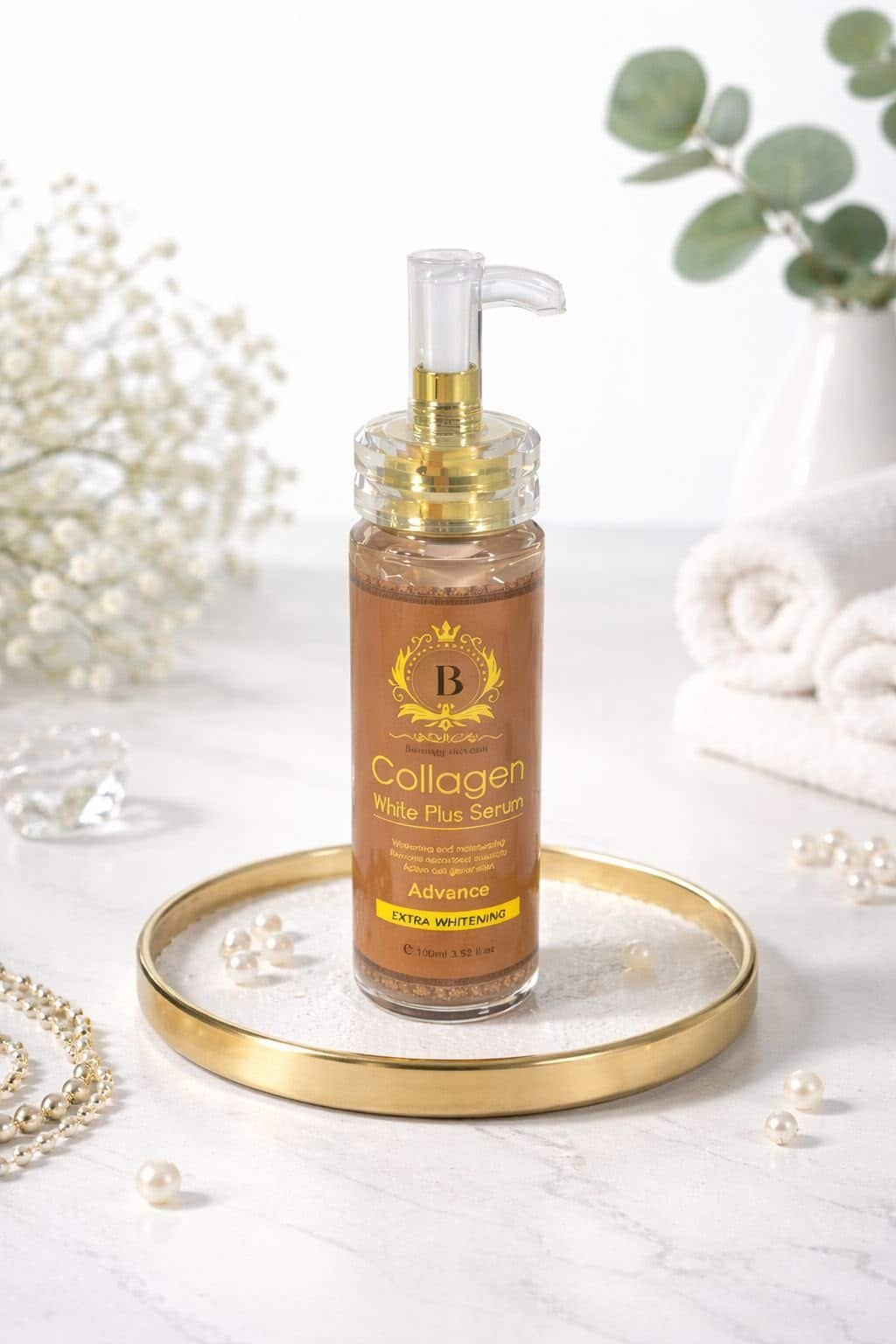
Every formula is different. Check the ingredient list and the directions on the packaging, and patch test a new product first. Our skin care range includes serums such as the Collagen White Plus Serum and creams such as the Turmeric Day Organic Cream.
Next, learn how to layer your skincare products.
This article shares general information and is not medical advice. If you have a skin condition or a reaction to a product, speak with a qualified professional.


 No products in the cart.